
Documentary
SYNOPSIS

DIRECTOR‘S STATEMENT
As children we played a game after the rain. We imagined the puddles and filled canals were lakes and rivers, so we would line up and throw pebbles into the water. Everyone wished their pebble would cause the biggest change on the quiet water surface. Our ten-year-old neighbour almost always won in this tacit competition. He succeeded, as if by magic, to create the widest circle and the glittering reflection of light and darkness in the water made us try again and again to achieve this ourselves. I met Nudžejma as a professional colleague, a language expert at Al Jazeera Balkans in Sarajevo. We were not friends and would exchange just a few words a day. I knew that her father had been killed in the 1990s war in Bosnia and Herzegovina, that she has changed many addresses since, some in our country (Croatia), and that her stepfather was arrested as a threat to the national
security in BiH and spent seven years in detention without indictment. Her views and thoughts I often did not understand or even strongly disagreed with. A few years ago she started running, first recreationally, then several half marathons and marathons followed and then she decided to become the first covered European to participate in the IRONMAN triathlon. Each of the pebbles she threw into the pool of life made a bigger and bigger circle and I could not help but notice and feel this. Her external and internal change has influenced people around her, those close and those distant, to learn more, participate in life, improve. She motivated me, a journalist in mid-forties to make a creative documentary after 20 years of reporting news. Together, we are throwing a new pebble. Who knows how many wide and magnificent circles we will create together and where they will take us.
SLAĐANA LUČIĆ
Scriptwriter, Director & ProducerSLAĐANA LUČIĆ
Slađana Lučić has been in journalism for over 20 years. As a student in Osijek, Croatia she was a contributor to Glas Slavonije and Jutarnji list daily newspapers and the local TV station. Soon she opted for television and began working for the national broadcaster Croatian Television, later continuing at RTL News as a reporter and editor. The past six years she has been living in Sarajevo, Bosnia and Herzegovina and working as a news editor for Al Jazeera Balkans, a regional TV broadcaster and part of the global Al Jazeera network. She reported from many regional and worldwide events, trained young journalists and mentored participants at media trainings for numerous NGOs. Little Star Rising is her documentary debut.
TAMARA BABUN ZOVKO
ProducerTAMARA BABUN ZOVKO
Tamara Babun was born in Zagreb. After studying at the Private Classical High School, she graduated in Production from the Academy of Dramatic Art. She has been working in film since 2006 at different jobs in production and organisation. From 2011 to 2015 Tamara was the producer of the ZagrebDox Pro training programme and from 2012 to 2016 she worked as the executive producer at Factum. She is co – writer of the Slovenian – Croatian – Italian transmedia project including an online serial and the feature documentary film iOtok , about the island of Biševo. She took part in drafting the Council of Europe Recommendation for Gender Equality in the AV Sector and was a consultant in the making of RomArchive, a digital archive of Roma film of the Romedia Foundation from Budapest. She sits on the Supervisory board of the Croatian Producers Association and is a member of the Croatian Association of Filmmakers. Early in 2017 Tamara established the Wolfgang & Dolly Ltd. production company.
VJERAN HRPKA
Director of PhotographyVJERAN HRPKA
Vjeran Hrpka was born in 1972 in Osijek, Croatia. He graduated in Cinematography from the Academy of Dramatic Art in Zagreb, acquiring the title of academic cinematographer. As a director of photography he worked on over 20 titles, and his films have been screened at film festivals both in Croatia and in many countries across the world. Since 2011 he has worked as an artistic associate at the Osijek Academy of Art and in 2014 he became a docent. He teaches photography, cinematography and alternative photographic processes. For his work Hrpka has won many awards at groups exhibitions of photographs and film festivals, the most important being the annual Nikola Tanhofer Award for cinematography on the film A Two – Way Mirror.
ANA ŠTULINA
EditorANA ŠTULINA
Ana Štulina was born on 12th February 1979 in Zadar, Croatia. She graduated in Film Editing from the Academy of Dramatic Art in Zagreb in 2004. In her professional life she took part in the production and editing of feature and short films, documentaries, experimental films, TV drama serials , commercials and music videos.
MERIMA KLJUČO
ComposerMERIMA KLJUČO
Concert accordionist/composer Merima Ključo imbues a dizzying variety of music with playing that moves with its depth of understanding and experience. With a background in contemporary music, she has appeared on the biggest music scenes across the world. Not only as a soloist with world – renowned orchestras, companies and groups, (including the Scottish Chamber Orchestra, Holland Symphonia, and the Netherlands Radio Philharmonic Orchestra, the Asko/ Schönberg Ensemble and the Netherlands Wind Ensemble), but also as a composer/performer in many theatre, opera, film and radio drama productions. Her passion for both traditional and contemporary music is an enriching musical experience that brings a new dimension of interest to her work. Her mastery across different musical genres and her capacity to combine them in a compelling way are unique: she is several performers into one. Ključo’s work has been published by, among others, Random House and Schott Music. She has given workshops and master classes in conservatories and universities all over the world, including the Guildhall School of Music (England), the University of Edinburgh (Scotland), the New England Conservatory (USA), Syracuse, Georgetown, Austin, Chicago Universities (USA), and she was a faculty member at Yellow Barn.
ALL CREW MEMBERS
Scriptwriter, Director & Producer
SLAĐANA LUČIĆ
Producer
TAMARA BABUN
Director of Photography
VJERAN HRPKA
Editor
ANA ŠTULINA
Composer
MERIMA KLJUČO
Producers for Al Jazeera Balkan
LEJLA DEDIĆ
SEAD KREŠEVLJAKOVIĆ
Associate Producer
CHARLOTTE HERZELE
Cinematographer
MIRSAD HODŽIĆ
Sound Recordist
ALMIR KOZIĆ
Sound Design
IVAN ZELIĆ
Colorist
DARKO KUŠLAN
Photographer
AIDA REDŽEPAGIĆ
They say it takes a village to raise a child. We sure are lucky our baby Little Star Rising is supported by a whole bunch of amazing individuals. We are thankful to all the supporters of our film, family, friends, and also have to give a special mention, a special thanks to all the
CROWDFUNDING CAMPAIGN BACKERS.
Sanela Agačević, Avni Ahmetaj, Lamija Alečković, Sade Alić, Kabira Amara, Ronald Apple, Martin Arežina, Melika Ašćerić, Ivanka Babun, Mladen Babun, Radmila Stojanović Babić, Adis Bahonjić, Toni Balog, Mario Bandić, Snježana Banović, Nino Bantić, Zinka Bardić, Mia Biberović, Davorka Kulenović – Bischoff, Igor Bobić, Sabina Brković, Adnesa Buhić, Adis Buhonjić, Laurence A. Becker, Selma Berbić, Vlado Boban, Haris Ćeremida, Tamara Cesarec, Nevena Crljenko, Anne Marie Alves – Ćurčić, Maja Ćurić, Marija Ćurić, Zorana Ćurić Dalimanović, Gordan Deluka, Sandra Deluka, Maja Domac, Mirsada Dragonjić, Jelena Drobnjak, Adnan Duraj, Dino Durak, Erduana Smailbegović – Džaferi, Aida Đulić, Ivan Đuričić, Emina, Sanja Fazlagić, Dea Galunić, Džemal Gekić, Jasminka Giljušić, Givenof, Anita Grabner, Danilo Gregović, Dalibor Grubačević, Adis Ferusić Guja, Alexandar Gulta, Dinka Hadžić, Jan Harapin, Helena Hećimović, Edah Henić, Charlotte Herzele, Lejla Hodžić, Minja Huseinović, Vjeran Hrpka, Enisa Ibrović, Andrew Ingall, Armin Islamović, Alma Ismić, Sadik Jakupović, Petra Jelenić, Irena Jelić, John – Scott Johnson, Dragana Obrenović Jovanović, Mirza Jusufovic, Darko K, Marijana & Pero Klaić, Mirha Karahodžić, Marin Kariž, Edina Karić, Amar Kamber, Irena Klaić, Goranka Manas – Knez, Aleksandra Knežević, Helena Knežević, Maria Knežević, Izabela Kolarić, Morana Komljenović, Jasmina Kos, Iva Košuta, Elvisa Kovačević, Tomislav Krnić, Katja Šunjić Kudin, Ermina Gakić Kulenović, Alma Kustrić, Biljana Lovrinović, Svjetlana Lučić, Boris T. Matić, Miroslav Mandić, Jasminka Martinović, Suada Magrđija, Patricia McCain, Kristina Medved, Jasmina Mameledžija, Semir Mehmedović, Selma Mezetović Međić, Amra Sabić – Milanović, Mladen Miloš, Svetlana Milošević, Jelena Milušić, Bojana Mrkić, Jasmin Muharemović, Elvis Mujičić, Sabina Mujkić, Safija Softić – Namas, Maja Ničota, Dražen Novak, Mladen Obrenović, Iva Ogrizović, Željko Olujić, Lana Oppen, Ozzy Foundation, Ivan Pavković, Carla Petievich, Filip Filković Philatz, Megi Pongrac, Leila Potogija, Neda Šegović – Radić, Una Radić, Woody Raine, Marko Rašić, Admira Ribičić, Ivana Rogić, Lovro Rumiha, Vesna S., Bilyana Sazdanovska, Dragan Sjekloća, Višnja Skorin, Milka Smilevska, Ljiljana Smiljanić, Alma & Samir Solaković, Ana Stić, Eldar Subašić, Nevena Đilas Subotić, Zora Subotić, Marina Sumajstorčić, Samra Svraka, Sanja Šamanović, Irfan Šljivo, Maria Musurliev Šop, Samira Špago, Selma Špago, Elma Špago, Martina Tinana, Dr. Julie Beth Todaro, Ivana Brkić Tomljenović, Alex Torres, Martin Turk, Baz Veitch, Mladen Vukmir, Aksel Zaimović, Loris Zubanović, Katarina Zmazek, Dijana Zoričić, Nuša Žunec.





GALLERY
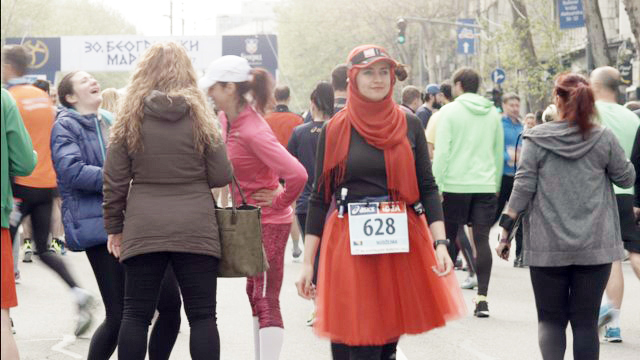
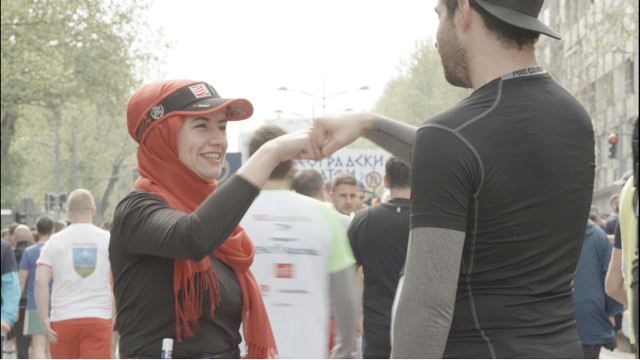
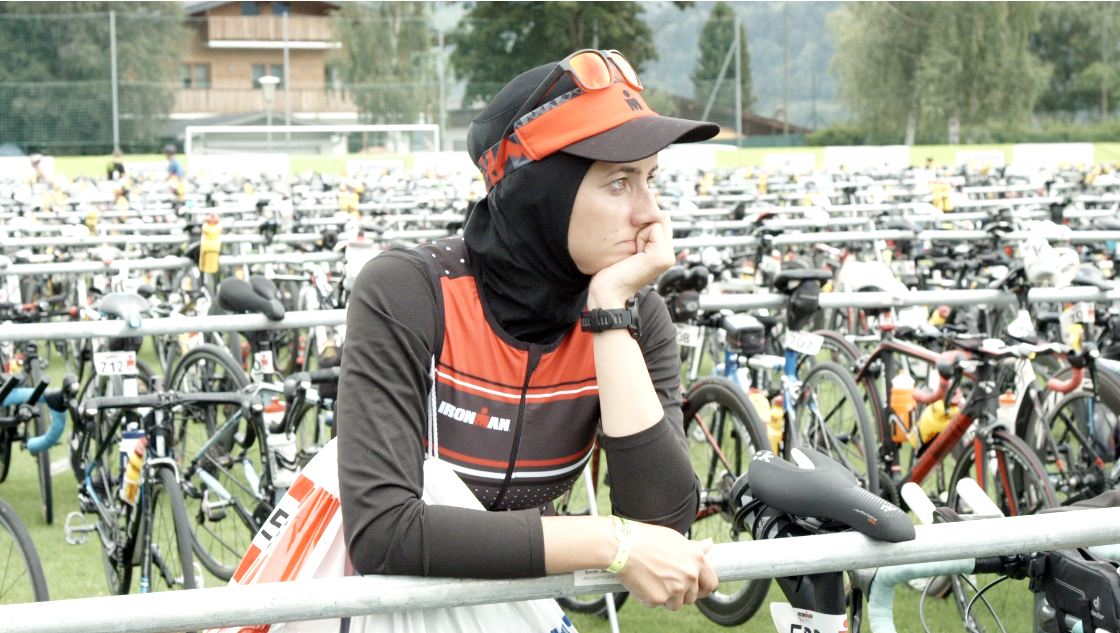
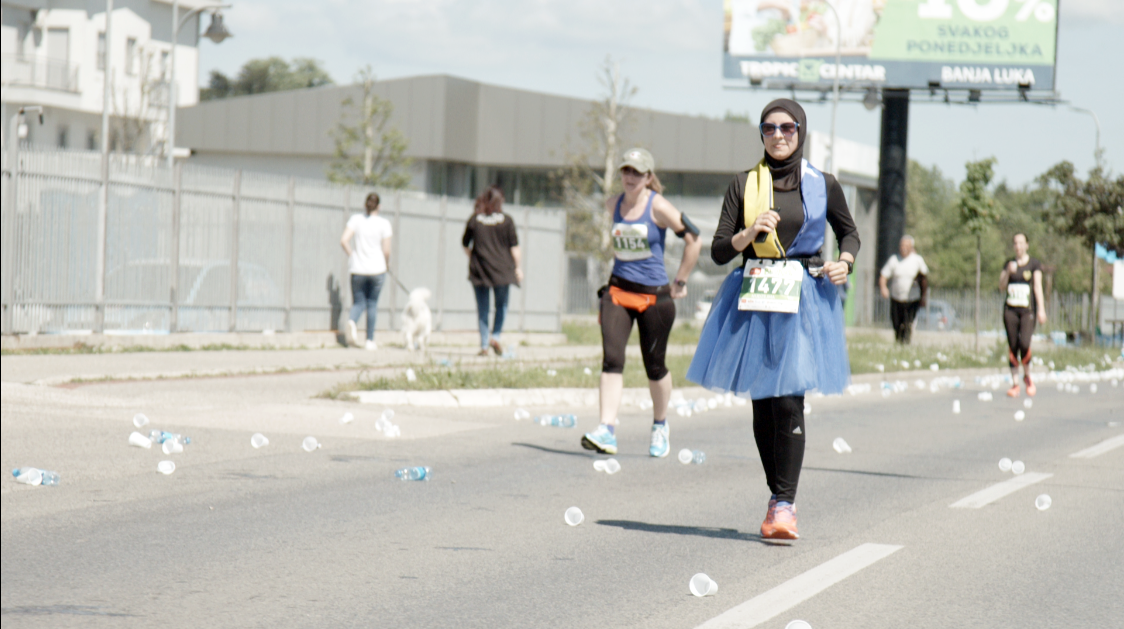
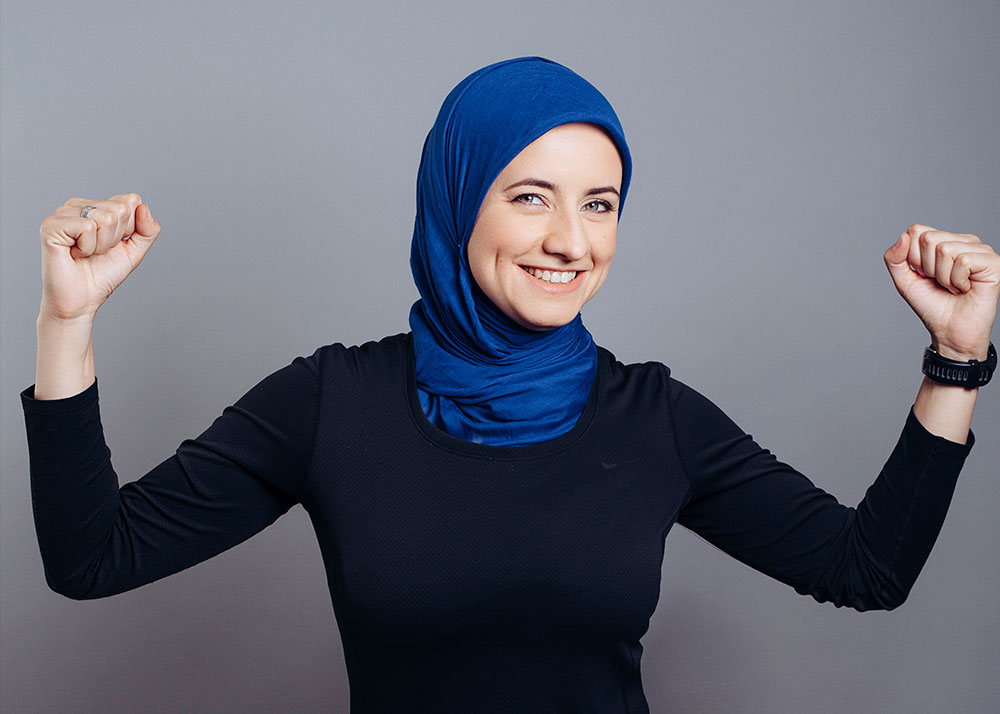
Little Star Rising or Nudžejma’s Community Is a Story about True Awakening of Faith in Oneself, Potential, Courage and Perseverance
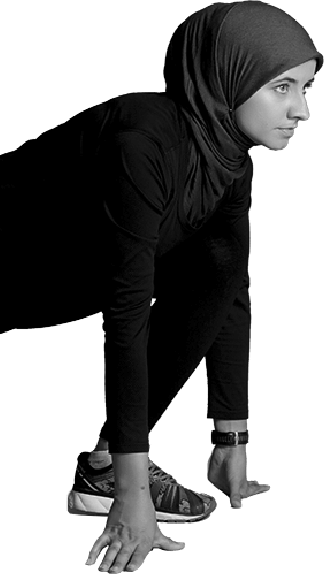
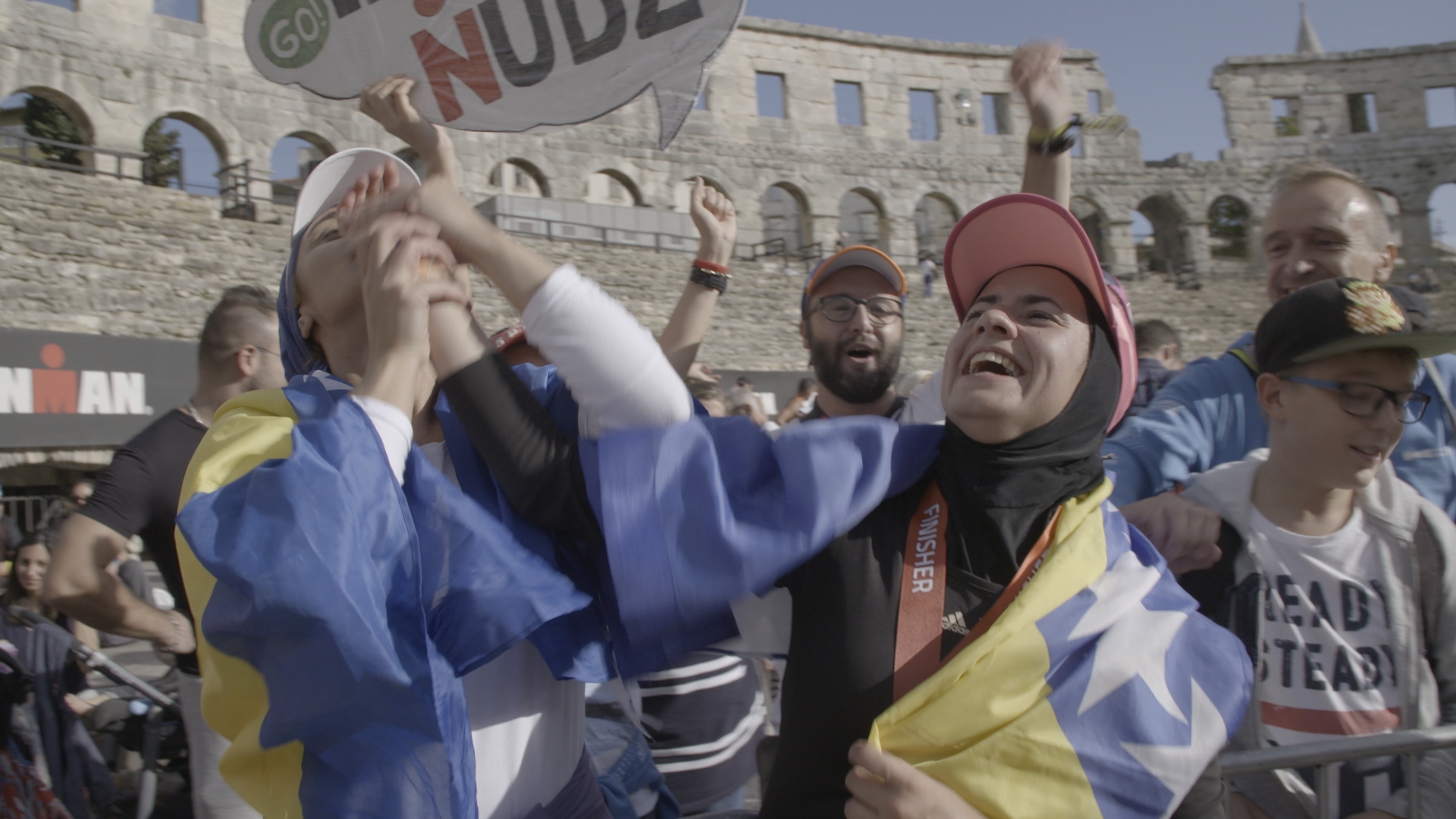
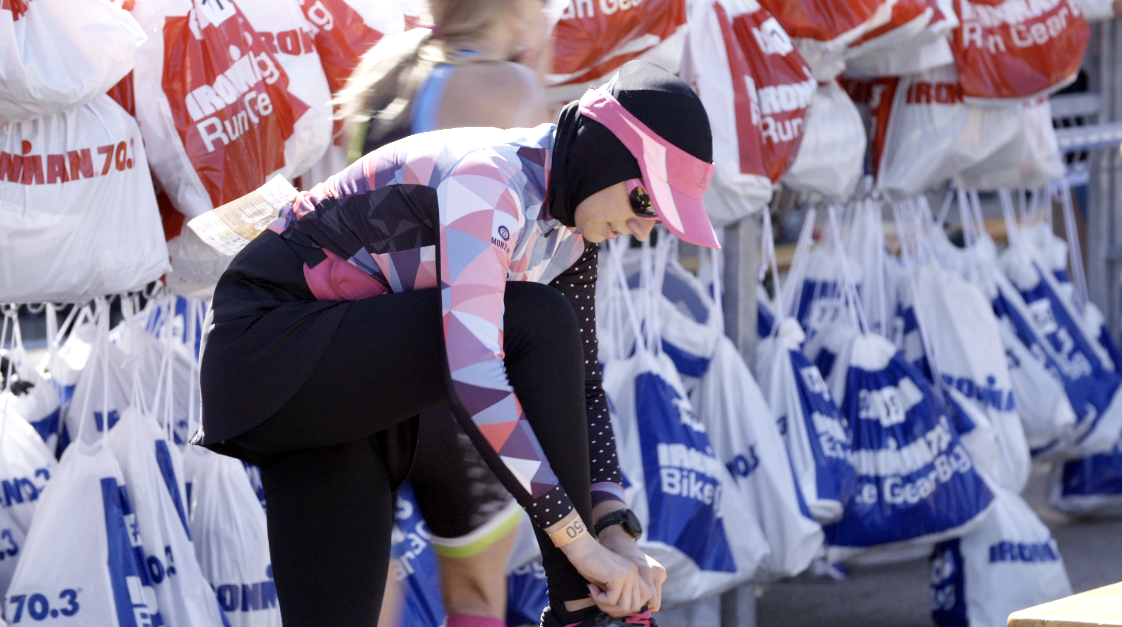
She was not pleased with her life. She got divorced, bought an apartment, decided to lose weight and face her own fears. Nudžejma Softić listened to herself and directed her focus to the improvement of her own life. The changes she radiated with were noticed by her colleague at work Slađana Lučić and proposed to make a documentary film about her – a woman whose actions prove that anything is possible. Although she is not a swimmer and is afraid of water, Nudžejma doesn’t quit and conquers the discipline, fighting with opponents, setting high goals and an example to others. She inspires people to change, falls in love and gets remarried, and completes the Ironman race. Little Star Rising is a film about Nudžejma Softić, a woman with a hijab whose actions exceed her, her gender, environment, geolocation, what she wears, eats, the religion she practices. The proofreader at Al Jazeera Balkans in Sarajevo is the lead protagonist of a documentary film full of emotions and important lessons in life.
How long did it take to make a documentary film and are you happy with how it turned out? Were you able, and to what extent, have an impact on the content?
It took us almost over two years to make the film. The film crew became part of my life and at some point I stopped perceiving it as filmmaking. We were hanging out and they were simply recording with their cameras everything I was doing. We were lucky, they came in the right moment, when I made my biggest decisions and changes in life. Author Slađana Lučić ingeniously recognised that moment and I realised in time how to take advantage of it and push the changes to the very end. Now I’m really happy about it and I wouldn’t change a thing. I’m particularly happy to have all this registered and that the film Little Star Rising is a true anthology of great courage, effort and emotions I experienced in a very difficult, but liberating period of my life. I couldn’t influence on the content, they were simply following me, but the film had an influence on me. I got great support, people who believed in me, who were my shelter in the storm. No one’s face was ever as calming as the face of our DoP Vjeran Hrpka during the shooting of my first outdoor swimming, in the lake in Zell am See, my first Ironman 70.3. There didn’t just make a film, they have been a large portion of my life.
How did you react when your colleague Slađana Lučić proposed to make a film about you?
Since at that moment I didn’t know what course my life would take and that I would make so many things I’ll be proud of, I wasn’t all that clear why we should make this film. however, all my life I was exposed to crushing prejudices – about myself as a woman, about myself as a woman in hijab, about myself as a woman in hijab doing sport, about myself as the daughter of Abu Hamza, about myself as a woman who knows no taboos, about myself as a woman who is outspoken – and I said yes. However, this lasted and exceeded all my expectations.
Are you and the director friends?
We weren’t. Slađa and I knew each other at work as a proofreader and an editor. However, when you go through things we went through together, as an author and a protagonist, the closeness is inevitable. She is now the kind face I relate to all my successes and failures and I’m very happy that her wish about making a documentary came true by making a documentary about me.
What was the hardest about making this film?
The hardest in the sense of filmmaking was shooting some strongly emotionally charged scenes. All you see in the film is pure emotion and just what I was experiencing. I’d love the audience to experience these emotions and to leave the screening motivated for changes, to kick out whatever makes them unhappy. In the emotional sense, definitely the hardest moment was visiting the grave of my late father and ask myself how he would feel if he had the chance to see me. I can barely remember him, some evil people took him away from me while I was still a child and I remember him only from photos and have very few live memories. Right there I thought how he would surely be proud of me and how everything I’ve been through would be much easier with his love and support. On the other hand, then I realised I’m a very lucky person to have a second father, who was and is a father many people would want.
This is not only a film about your desire to complete Ironman, it also carries a powerful message about personal development. What kind of support from your environment did you have in your personal growth and development?
Depends on the period of life and people in it. Looking back, I feel sorry not to have placed focus on those supporting me, rather than those mocking me, and for neglecting the former group unjustly. There were very many of those who laughed at my ambition as a fresh starter, who were even my friends at a certain point in life, who visited my home, slept in my hotel rooms… Shortly after my first failure, they publicly mocked me. I will never forget this, but I thank them nevertheless, because this is what made me a stronger person and brought me where I wanted to be – the Ironman triathlon. I am convinced that only accomplished people can be happy for others, although at a given moment these successes seemed very small. Every step forward is precisely what it is – a step forward. Within a year you will have made 365 steps forward compared to those who just sit and talk and do nothing. In principle, I realised after a while that I find it important to have the support of my family and partners, and I had their support even when they didn’t agree 100 per cent with my choices. My choices were mine to them and such people are the biggest wealth one can have.
Sport has become an important part of your life. Which of the Ironman disciplines is your favourite?
Sport is, as far as I’m concerned, the solution to many problems and a road to satisfaction with our physical and mental state. Sport releases stress and produces happiness hormones which soon makes you addicted. It made me. As far as specific sports are concerned, swimming was the most challenging, but now I truly enjoy it and relax. Running is my first love and I’m happy for it, because in triathlon it comes as the third sport and it’s very important to know what you’re doing. As far as cycling is concerned, there is still room for improvement and this is what I currently enjoy the most, I play with gears, with equipment. I’m still learning in that area and that is why I enjoy it the most.
You are known as a motivator, a woman gathering people and inspiring them to make changes in their lives. Is this a blessing or a pressure? Did you have any idea it would happen?
I just did what I did the best I could with my life. All other things happened along the way and unexpectedly. As much as it is sometimes difficult and pressuring, it helps me grow and I’m happy I can help others and sometimes push them over the edge to live more fulfilled lives. I believe people often lack decisiveness and are afraid of changes. Changes brought me to the most beautiful things in life and that’s why it’s not hard for me to help others realise that changes are good and how much we grow with them.
By doing the best you could you also gathered a group of runners called ‘Trčanje i to’ (Running and All That) and you work with obese people, you help them lose weight and regain their will to live. What inspired you?
As I said, I grow when I see others making progress and I’m very happy and fulfilled to be able to help them. Yes, it’s nice to your PB on the track, but it’s so much nicer to lead someone to the finish line of their first race, first marathon, first triathlon. It is nice to be happy when you see the result of your work, but it’s so much nicer to see that someone else made progress thanks to you, that you made someone smile or – better yet – made them happy, helped them be more confident, fulfilled over the long run. And it’s even nicer to help someone change a life not so good and make them permanently happy. Every time you meet that person, they remind you that you did something good and expected nothing in return. Besides, I deeply believe that what goes around comes around. It came around to me when I needed it the most – with my first open swim, my first completed Ironman 70.3., meeting Jasmin, getting a full-time job… Nothing came out of the blue. I either worked and earned, or it came around because of something I did before.
You have a very large number of followers on social networks, but also people who fiercely attack you. How do you cope with negative comments?
I block them ☺ My social media is my home, I write what I like and delete what I like. As far as comments are concerned, it wasn’t always simple – I used to cry a lot, couldn’t sleep, even seek help from a psychologist. I was lucky to meet a wonderful man who helped me realise the irrelevance of all these comments with a sleight of hand. Since then I don’t even read them, I don’t waste time. I find it more useful to run two kilometres instead – I’ll be only prettier, stronger, more capable, and they won’t change.
By the end of the film you complete the half Ironman race and you are among the rare veiled women in the world to achieve that. Nudžejma, it seems your athletic mission has only just begun. What is next?
Next is the full Ironman distance – 3.8 kilometres of swimming, 185 kilometres of cycling and 42.2 kilometres of running at the European Ironman championship, in Frankfurt in 2020. This has been my wish from the start, my final goal in terms of crossing the physical boundaries. However, you know what they say – what you do once you never have to repeat. What you do the second time, you’ll do the third time as well. We’ll see. ☺ I want my group ‘Trčanje i to’ to grow and have happy, fulfilled members, growing as persons and athletes. I want my actions and work to inspire girls and women (and men) around the world to work on themselves and never settle for harassment. I also want, one day, to live in a culture that equally appreciates and pays women and men.
And one day I wish to swim across the Bosporus. It used to be a distant wish of mine, but now it seems doable ☺ Besides, I want to travel, a lot and everywhere, meet different people and cultures, which is the greatest wealth we can buy in our lives.
Nudžejma means Little Star. If you could pick your own name, what would it be?
It would be Nedžma – Star.
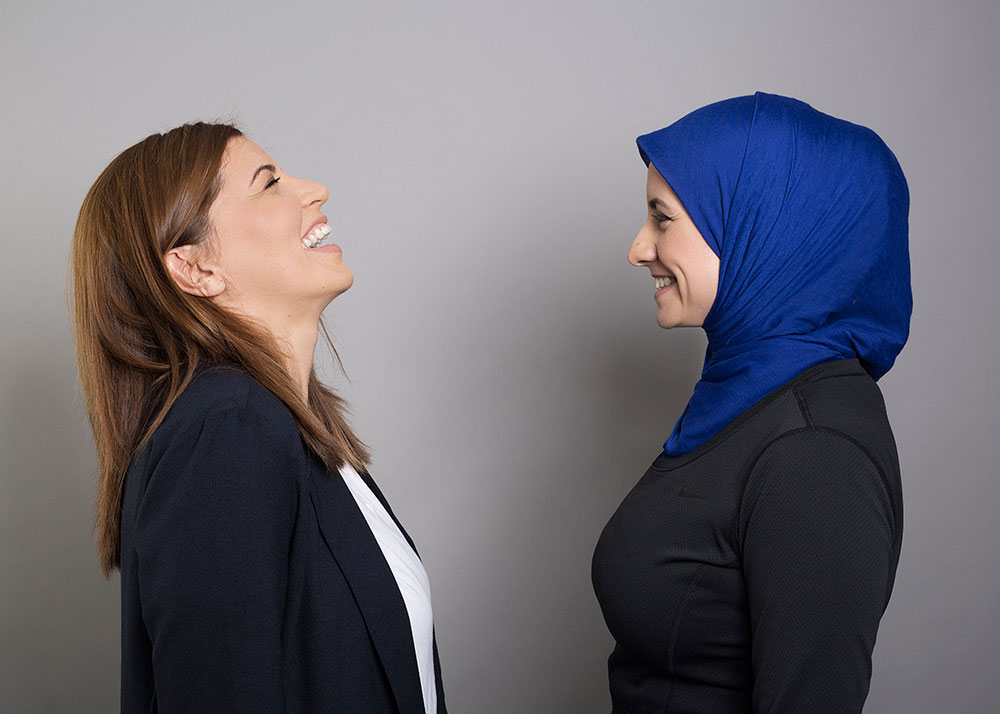 Join Little Star Rising and Be Reminded Why Life Is Valuable and Everything We Can Be
Slađana Lučić, a news editor at Al Jazeera in Sarajevo, at a certain point made a firm decision to direct her passion for documentary films into the making of her own. The shrewd journalist eye for detail, the ear that hears better than others and the emotion she felt when she was watching her fellow co-worker Nudžejma Softić during her awakening were extra motivation for Slađana to make a documentary film about her. By that point only colleagues, Slađana and Nudžejma embarked on an adventure that gathered other members of the team and enriched each and every one of them on a human level. Mrs Lučić, until Little Star Rising a complete filmmaking amateur, made a documentary film which after watching leaves audience in different moods, but in no way sad or indifferent.
How come you, as a complete amateur in directing, decided to make a documentary film about Nudžejma Softić? What motivated you?
I’ve been working in journalism over 20 years, but I’ve always found documentary film close to my heart and interesting, something you think about as a dream job. Daydreaming, luckily for me, became a reality because the story just happened. Nudžejma and I work together at Al Jazeera in Sarajevo – she is a proofreader and I’m a news editor. When you see a change in a person you know and who starts to make an impact on your life and the lives of acquaintances and complete strangers alike, making a decision to make a documentary film was not hard, but rather the only thing to do. Luckily, Nudžejma agreed to take part in this adventure of ours.
How long did it take to make the film and what did the process look like?
The first interviews, and then test shootings, were done in early 2017, so a little over two and a half years of work, shooting, editing and post-production is behind us. It was both an exciting and a difficult process, because this is my first documentary. Exciting because I could follow the story and express myself differently than in journalism; difficult because we had to launch the project straight away, since Nudžejma was already preparing for the first half-Ironman triathlon. Giving up was never an option and the entire team working on this film had this in common. This is not a documentary promising your crew big money, we experienced mutual recognition, we were connected by the wish to help this story find its way to the audience and this kept us together.
What guided you in choosing the team for the making of this film?
Honestly, it was emotion. Vjeran Hrpka, who is a director of photography, is someone I’ve known since I worked as a reporter in Osijek. He is a person who watches and listens to the interlocutor as he is standing behind the camera, and his shots immerse the viewers into the story. Together with cinematographer Mirsad Hodžić and sound designer Almir Kozić, he managed to capture Nudžejma’s fears, changes, growth. On the other hand, producer Tamara Babun was my mentor and psychologist (laughs). Our friendship developed from collaboration, and an equal role was played by editor Ana Štulina. They both taught me and put up with me in the process of making this documentary film. All the crew is from the film world, I was the only rookie. When the project was joined by Merima Ključo as a composer, this only confirmed that we have a good story on our hands. I called Merima, although we never met, I told her a few words about the film, I sent her the working materials and when she said yes, it all came together.
The soundtrack for the film was composed, as you said, by Merima Ključo. How did this collaboration come about and why her or all the Bosnian and Herzegovinian musicians?
I’ve been long in love with Merima’s work. Her rendition of Kraj potoka bistre vode with Miroslav Tadić and U predgrađu with Matija Dedić kept playing in my head since the early days of shooting. Simply, the emotions I wanted to portray in the film were something I identified in her music, they were there, in every note and then I simply gathered the courage to contact her. What surprised me was her openness and simplicity. While I was apologising for disturbing her, explaining who I was and what I was working on, she accepted my invitation as something completely normal and usual. She looked at the working materials and soon confirmed our collaboration. I don’t know what to say even today, thinking about this moment, except that I’m grateful to her for being first of all human and a great musician.
The protagonist is your colleague at work, you’re both employed by the same TV broadcaster in Sarajevo. Are you also friends? Who is Nudžejma to you and who is she to the people around you?
Mutual respect is what connects Nudžejma and me. Recognising the importance of mutual help, motivation, connection. We didn’t hang out, we were coworkers and sometimes barely spoke a few words throughout the day. I can’t explain how much Nudžejma changed over the course of a few years, she bravely worked on herself, and this change reflected in her smile, her look, the colour of her clothes, the people around her. It was something you simply had to notice. Interestingly, although at our office we have sports journalists many of whom are recreational athletes, no one else motivated people to move, to change their lifestyle like Nudžejma – first the people she knew and then unknown people in Sarajevo, Bosnia and Herzegovina and beyond. Her energy is contagious, just like her patience to answer all questions about running, swimming, fear of water. When she started preparing for the triathlon, she couldn’t swim. She even got on our nerves with this endless energy and persistence, but then you realise how you yourself started to think about running, half-marathon, living differently. She is a walking commercial for joie de vivre and growth through personal changes.
You are a reporter with extensive experience in Croatia and over the past six years you have been working in Bosnia and Herzegovina. How much is Nudžejma a heroine in her culture, i.e. how much does her ‘heroism’ cross the boundaries of geography, world view, religion and everything else?
I don’t see Nudžejma as a heroine, rather as an example of what each and every one of us can be if we invest time, effort, decide to work on our fears and flaws, regardless of the circumstances. It is enough to open the papers, check out the news to be aware of the gravity of the moment we live in. Nevertheless, I am an eternal optimist, I believe we all make decisions every day whether we will try to be better to ourselves and others that day or we will spend the day with excuses, nagging and accusing ill fate, parents, environment, politics, state. Nudžejma is an example of what an individual can do, the change they can make. The more of us are ready to do the same, the stronger the impact on the community and society, which is important in an age when we listen on a daily basis about intolerance, inequality, hate against the other and the different.
How did the filmmaking process effect you? Did you also change during the making of this documentary film?
Of course, it’s inevitable. I learned a lot about myself, I became aware of my own prejudices, and I was convinced I didn’t have them. I learned to love and appreciate life more than before. Do I have to tell you Nudžejma inspired me too to start running? I finally finished a half-marathon and a few shorter races. It is impossible to describe all the things you’re thinking about when you’re trying to conquer the 21 kilometres, from ‘why am I doing this to myself?’, to the immense joy of crossing the finish line. Experiencing something new, fun and crossing your own boundaries along the way, that’s what Nudžejma taught me and I’ll be eternally grateful to her.
As a director, could you tell us what Little Star Rising is actually about? What is the message, what is it that you want the audience to take home? What are your objectives? What would you like to achieve with this film?
To motivate as many people as possible, to show how an individual can often create a change more sincere, stronger and faster than any regime or politics. To illustrate how it’s possible to keep or find the joy of life regardless of where we’re from, what were our starting positions and the scars we got along the way. And I hope the spectators at the end of the film will not think about Nudžejma anymore as a veiled woman, but rather as an individual seeking and finding herself, while others, like most of us, tell her how to behave and think, what to be afraid of. Simply, to leave the cinema with a smile on their faces and perhaps make something beautiful for themselves and others that day.
Is documentary film a career direction you might take more seriously? Is there inspiration or a wish to direct a new creative project?
There is a wish and I hope to work on new projects. However, right now I’m focused on this film because we still have a long way ahead. Little Star Rising has only started its festival tour and I’m looking forward to this part of the road. I remember the first shooting day. Travelling to Belgrade, I was convinced I had everything under control. However, my plan turned into improvisation and headache. Documentary film is not like fiction, as the script you have at the beginning changes a thousand times. Life changes it and you cannot control that, which is both frightening and magnificent. It took me a really long time to feel safe. Finally it all came together and we witnessed the beauty of the unknown in documentary. Nudžejma has built a whole new big family – the Recreational Athletic Association ‘Trčanje i to’, and we also recorded a wedding. Primarily I want to make stories about inspiring individuals because I think we lack those. We lack optimism, motivation, curiosity, joy of life.
A crowdfunding campaign is behind you, and part of the funds to complete the film came from that source. How did you decide to make this step and how did it all go?
Over the project’s two years, funds proved to be the most challenging part, as expected. Now I realise why entrepreneurs, after they start a new business, say: “If we had known what to expect, we would never have launched the business.” Simply, you’re at the foot of a hill, you wish to climb on top and you don’t see all the things in your way. That was how we started. We couldn’t wait and first gather the money through film funds for development and production because Nudžejma was already preparing for her first half-Ironman. So we primarily relied on our own funds and we were soon joined by Al Jazeera Balkans as a co-producer. The planned six months turned into a year and a half of shooting and we simply ran out of money. I believe many filmmakers in the region opts for the same step because it is hard to ensure funds for a project that takes several years to make. The good side of crowdfunding is that you also get to build your way to the audience while still in the process of filmmaking. The bad side – a possible failure of you campaign. We succeeded in both: we gathered the funds for post-production and created a large family of supporters. Finally we got another partner – the Croatian Audiovisual Centre recognised the project and financially backed it.
What would you do differently if you could and what would you do again?
Of course we made mistakes and had fails, but I wouldn’t change a thing. I learned a lot, I laughed and was happy, I cried when things did not go the way we hoped, but such is life – all these new lines have a story to tell (laughs). Isn’t it amazing to do something new at the age of 45, something you thought about when you were 25 or 30?
How would you invite the audience to come and see your film?
If you want to be reminded why life is worthwhile and everything we can be – this is a film for you. I extremely look forward to every new smile this story will inspire upon leaving the cinema.
PRESS
Documentary Film Little Star Rising Wins Hearts and Motivates Many People to Work on Themselves
Gloria online (HR)
Ironman Gave Strength and Brought True Love to the Star of Little Star Rising: I’m No Longer the Same Person
24sata online
Triathlon Athele Who Inspires the World: A Hijab Doesn’t Stop Me from Running
Klix.ba (BiH)
Film on Nudžejma Softić to Be Screened at SFF: There’s No Such Thing as Impossible
Dnevni avaz online (BiH)
Documentary Film on Nudžejma Softić – Little Star Rising at SFF
Gloria.hr
Living Her Way: A Touching and Prejudice-Breaking Film about a Brave Bosnian Woman
There’s No Such Thing as Impossible! – Documentary Film Little Star Rising Taught Us That at Sarajevo Film Festival
TPORTAL
Little Star Rising Arrving at Sarajevo Film Festival
24 sata (HR)
Triathlon Athlete: A Hijab Doesn’t Stop Me from Running in the Sun
If I Hadn’t Failed at My First Triathlon, I Would Have Probably Never Met My Husband
Great Interest in SFF Films
Little Star Rising about Nudžejma Softić Teaching Us that Nothing Is Impossible
Change as Guiding Light
Grab What Makes You Happy with Both Hands



PRESS
Indeks.ba (BiH)
Documentary Film Little Star Rising Wins Hearts and Motivates Many People to Work on Themselves
Gloria online (HR)
Ironman Gave Strength and Brought True Love to the Star of Little Star Rising: I’m No Longer the Same Person
24sata online
Triathlon Athele Who Inspires the World: A Hijab Doesn’t Stop Me from Running
Klix.ba (BiH)
Film on Nudžejma Softić to Be Screened at SFF: There’s No Such Thing as Impossible
Dnevni avaz online (BiH)
Documentary Film on Nudžejma Softić – Little Star Rising at SFF
Gloria.hr
Living Her Way: A Touching and Prejudice-Breaking Film about a Brave Bosnian Woman
Večernji List online
There’s No Such Thing as Impossible! – Documentary Film Little Star Rising Taught Us That at Sarajevo Film Festival
TPORTAL
Little Star Rising Arrving at Sarajevo Film Festival
24 sata (HR)
Triathlon Athlete: A Hijab Doesn’t Stop Me from Running in the Sun
AZRA (BiH)
If I Hadn’t Failed at My First Triathlon, I Would Have Probably Never Met My Husband
DNEVNI AVAZ
Great Interest in SFF Films
Little Star Rising about Nudžejma Softić Teaching Us that Nothing Is Impossible
GRACIJA
Change as Guiding Light
Story tjednik (HR)
Grab What Makes You Happy with Both Hands


