
We Shall Live Together
feature documentary
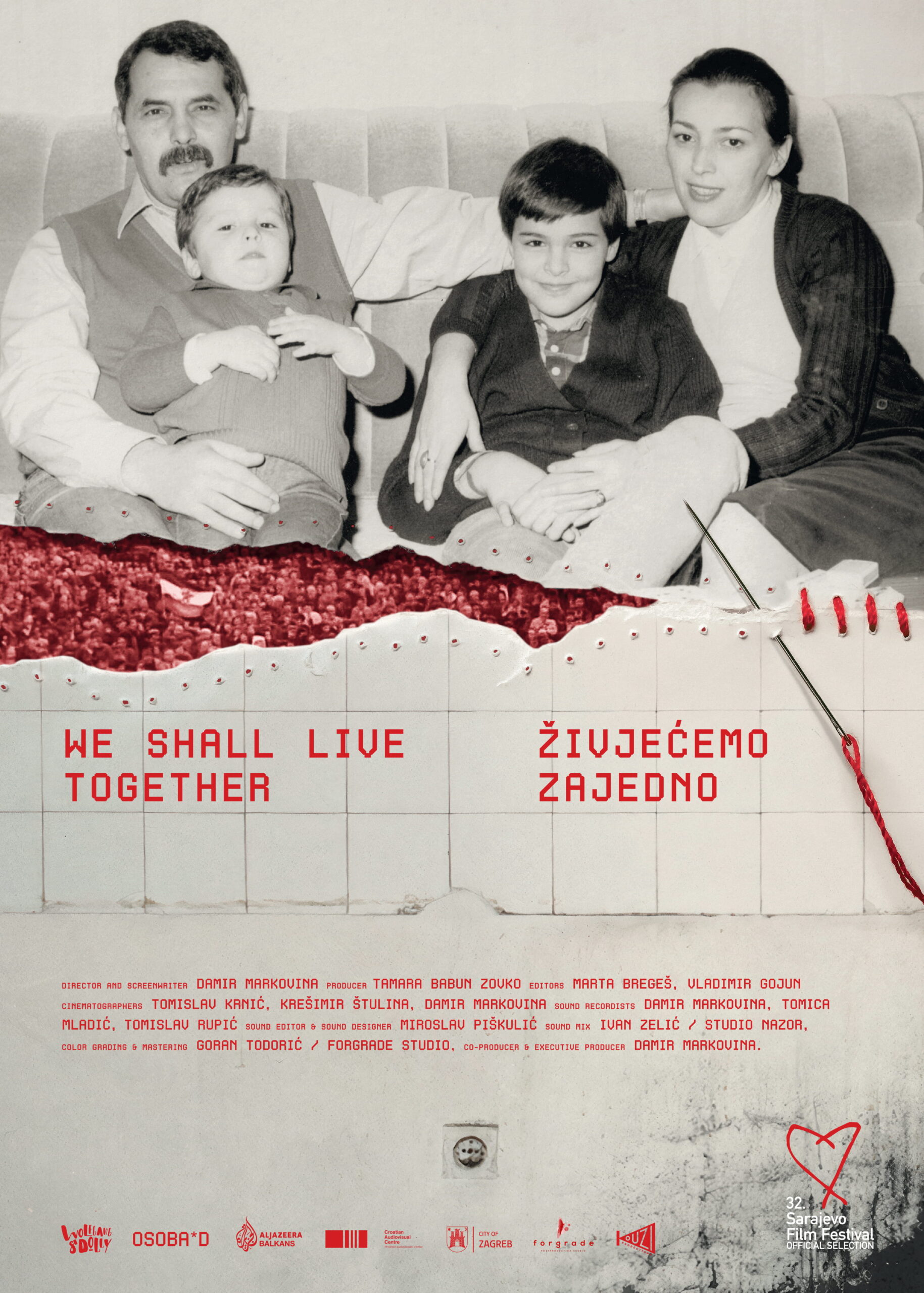
A POLITICIAN WHO STOOD FOR HIS COUNTRY;
A FAMILY THAT PAID THE PRICE.
THIRTY YEARS ON AFTER THE YUGOSLAV WARS,
CAN THE PAST BE PUT BEHIND?
screenwriter & director
Damir Markovina
producer
Tamara Babun Zovko
co-producer
Damir Markovina
editors
Marta Bregeš
Vladimir Gojun
lenght
75 min
language
Bosnian, Croatian
year of production
2026
subtitles
English

SYNOPSIS
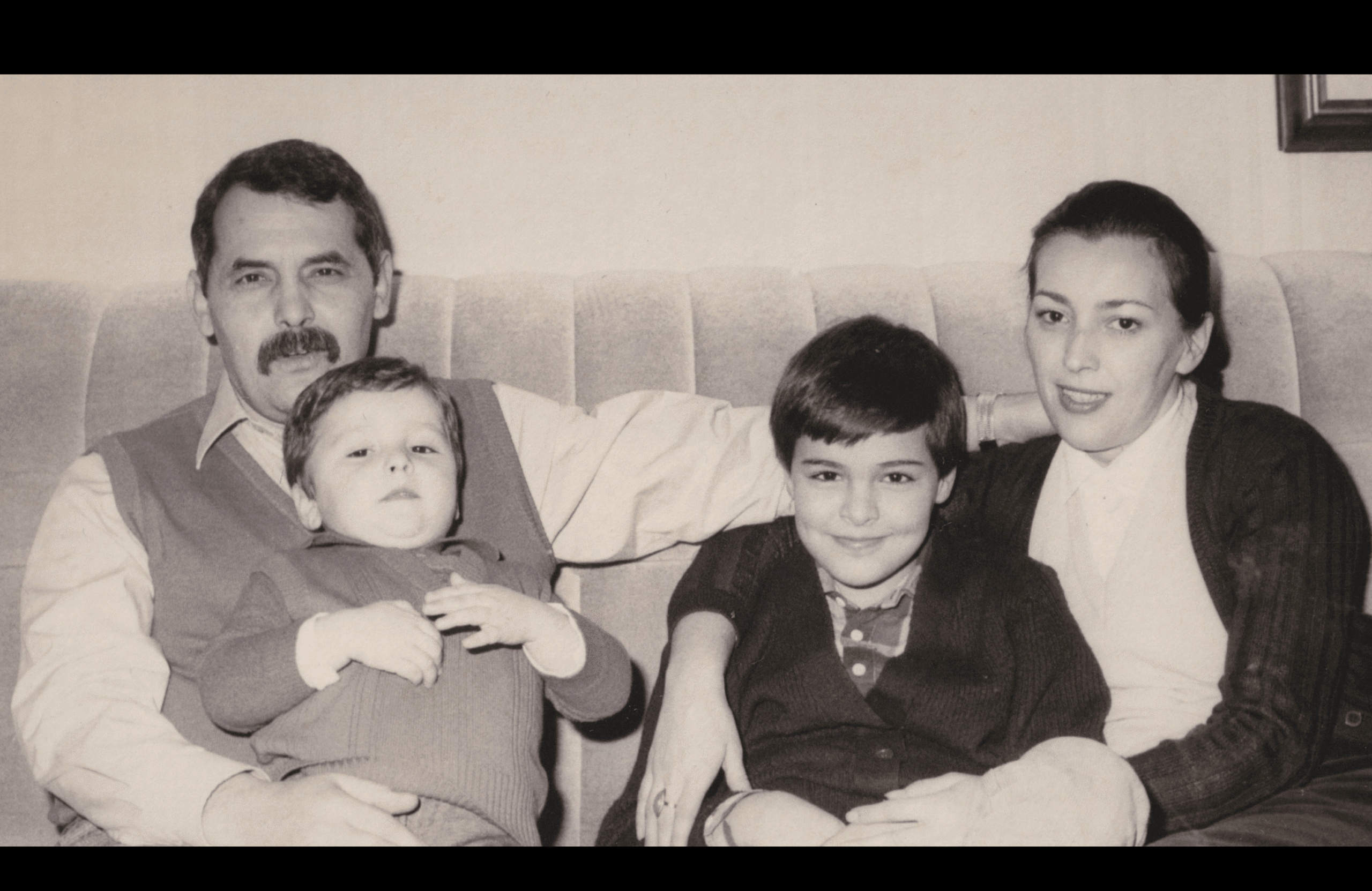
Roko Markovina was a socialist member of the Parliament of Bosnia and Herzegovina during the Bosnian War. A respected and widely loved public figure, he believed that, when war came, it was his moral duty to lead by example and remain in Mostar with his family, even as the city was torn apart by ethnic conflict. They were soon driven out by nationalists from their own ethnic community, who branded Roko a traitor and seized their home. Although the family eventually recovered the house, they never returned.
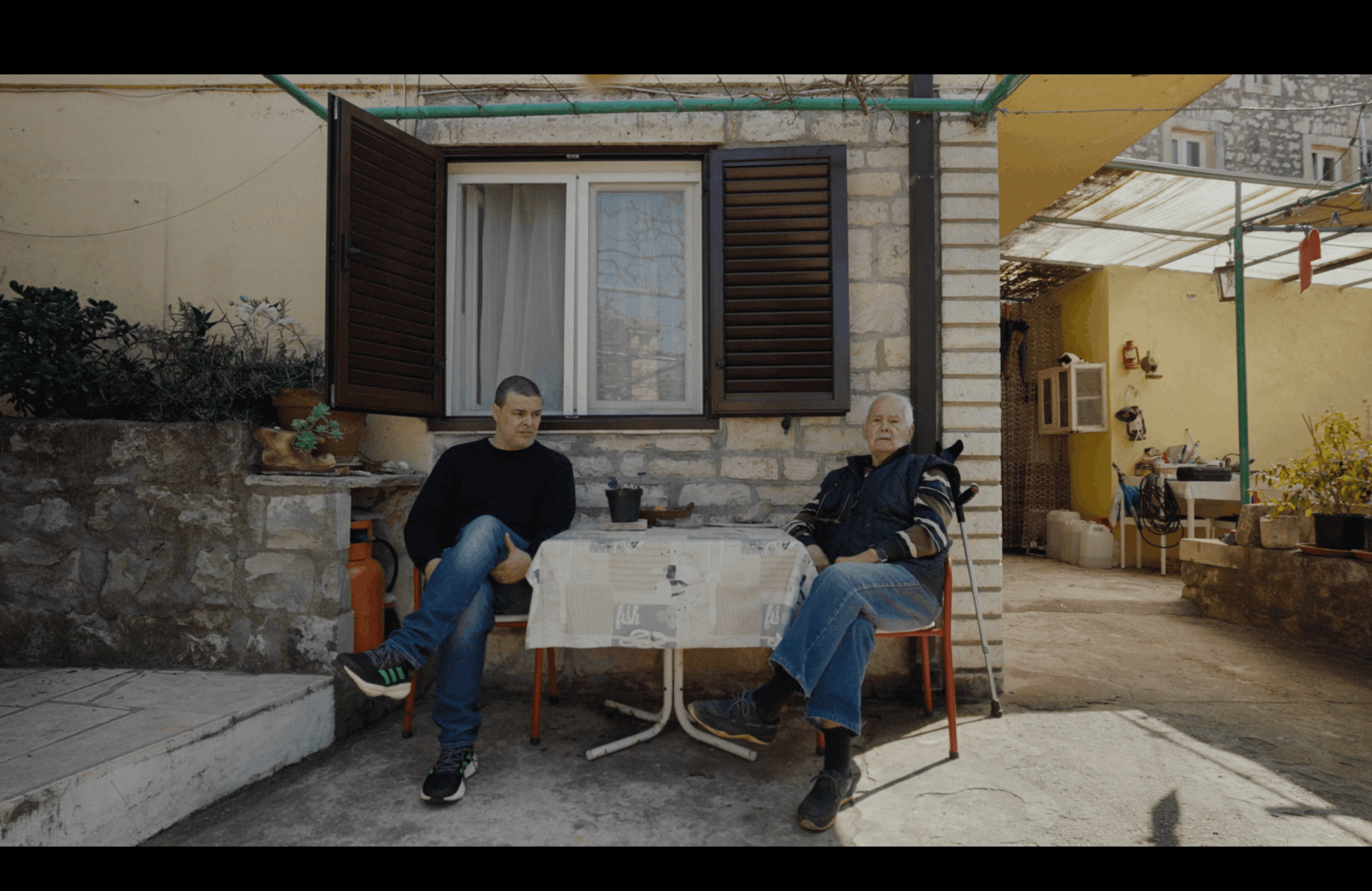
Roko’s anti-nationalist convictions and deep sense of justice led him to resist the political order taking shape around him and to vote against the Dayton Agreement. The decision made him both a symbolic figure of the Bosnian left and a pariah to the nationalist establishment. Remaining true to his principles cost him his country, his party, his city, and his home. Thirty years later, he remains resolute, living with his wife, Zina, in self-imposed exile on an island.
His choices also left a lasting fracture between him and his two sons. Damir, the film’s director, has built a career in theatre, film, and television; Dragan is a historian and political commentator whose work examines nationalism, memory politics, and the post-Yugoslav world.Although they visit their father regularly, they disagree with him on almost everything, particularly his unwavering belief in a united Bosnia and Herzegovina and his refusal to reconsider the decisions that shaped their lives.Bound together by a war that never truly ended, can they find a way to move forward?
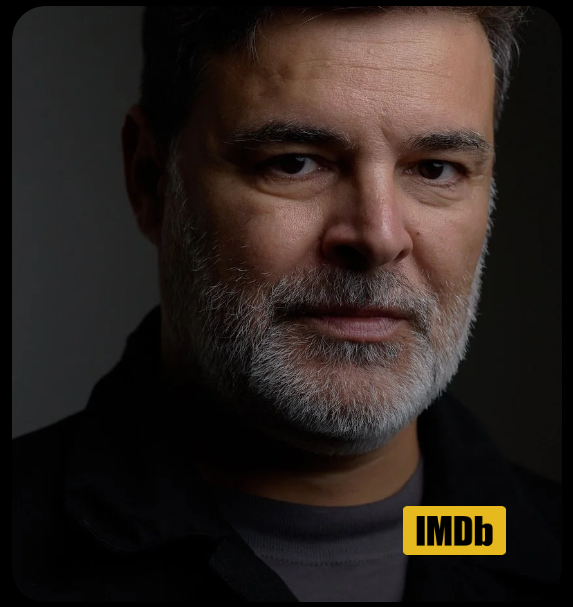
DAMIR MARKOVINA
DAMIR MARKOVINA was born in 1973 in Belgrade, raised in Mostar, and now lives in Zagreb. He graduated with an MA in Film and Television Directing from the Academy of Dramatic Art in 2022, having previously completed his studies in acting at the same institution in 2000. He works as a film director, producer, actor, and writer.
His debut short documentary, THE SHIFT, was selected for the Student Film Competition at the Sarajevo Film Festival in 2019. His mid-length documentary WAIT FOR ME won the Main Award at the AJB DOC Festival in Sarajevo in 2021 and the award for Best Student Documentary at the Pula Film Festival in 2022.
His second mid-length documentary, DESERTERS, premiered at the Ji.hlava International Documentary Film Festival in 2022, where it won the awards for Best Central and Eastern European Documentary Film and Best Sound Design. The film also received Special Jury Prizes at ZagrebDox, the Verzió International Human Rights Documentary Film Festival in Budapest, and UnderhillFest in Podgorica.
His films have been recognised with two Oktavijan Prizes for Best Croatian Short or Mid-Length Documentary by the Croatian Society of Film Critics.
WE SHALL LIVE TOGETHER is his first feature-length documentary.
I come from a deeply mixed family that believed in Yugoslav brotherhood and unity. For the young man I was, the collapse of that world was impossible to process. I buried the frustration and moved on. My family chose exile. I rarely returned; it no longer felt real. And yet, each time I opened the door of our house, the war was there again, waiting.
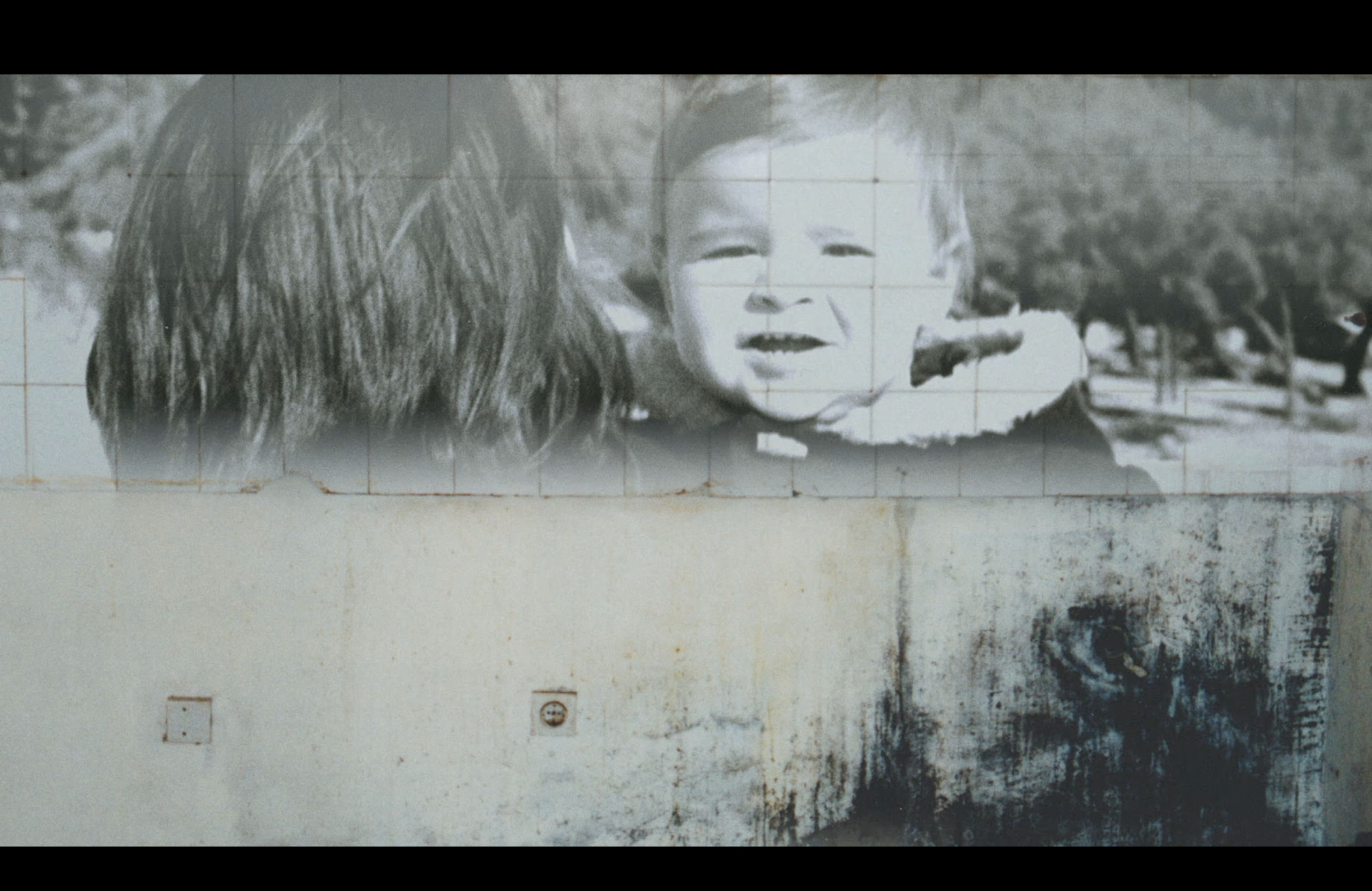
My father could never let it go. To face him was to relive the war at the kitchen table. My mother remained by his side, unable to change anything. His present is filled with images of life before April 1992, and with an endless re-examination of what he did – or allowed to happen. A continuous,quiet agony. Somewhere within those images of the past, there is also a part of me I have lost – something quieter, perhaps more whole. I want it back.
My father is now an old man. I have reached the age he was when the war began. Perhaps I can finally begin to understand him. I know this film may be our last chance to reconcile – and, perhaps, to live together at last.
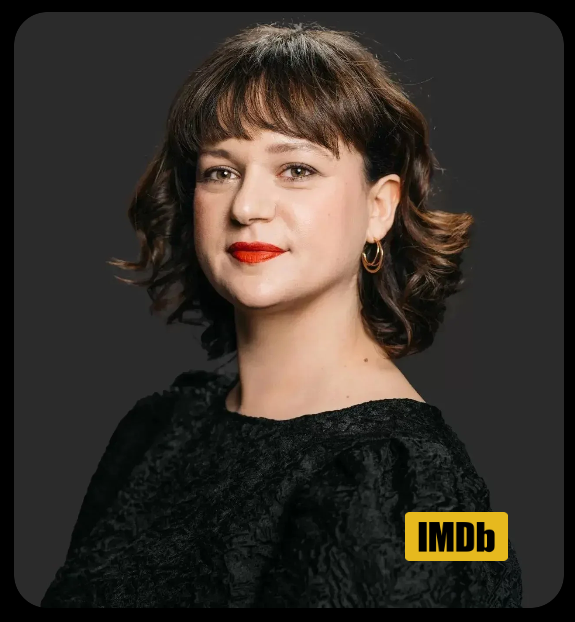
TAMARA BABUN ZOVKO
This film approaches that history through an intimate lens: a story of shattered ideals, a dispersed family, a lost homeland, and the solitude that can accompany unwavering belief. At its core lies a dilemma. There is pride in the principles that guided this family, but also the recognition of the wounds those same principles have left behind. What is particularly compelling in Damir Markovina’s approach is the immediacy of the material. The film remains alive, open, and in constant dialogue – not only with its protagonists, but with the viewer. It invites reflection, and often disagreement, making the experience both personal and shared.


