
IDENTITY
feature documentary film
2026, 75′
about the movie
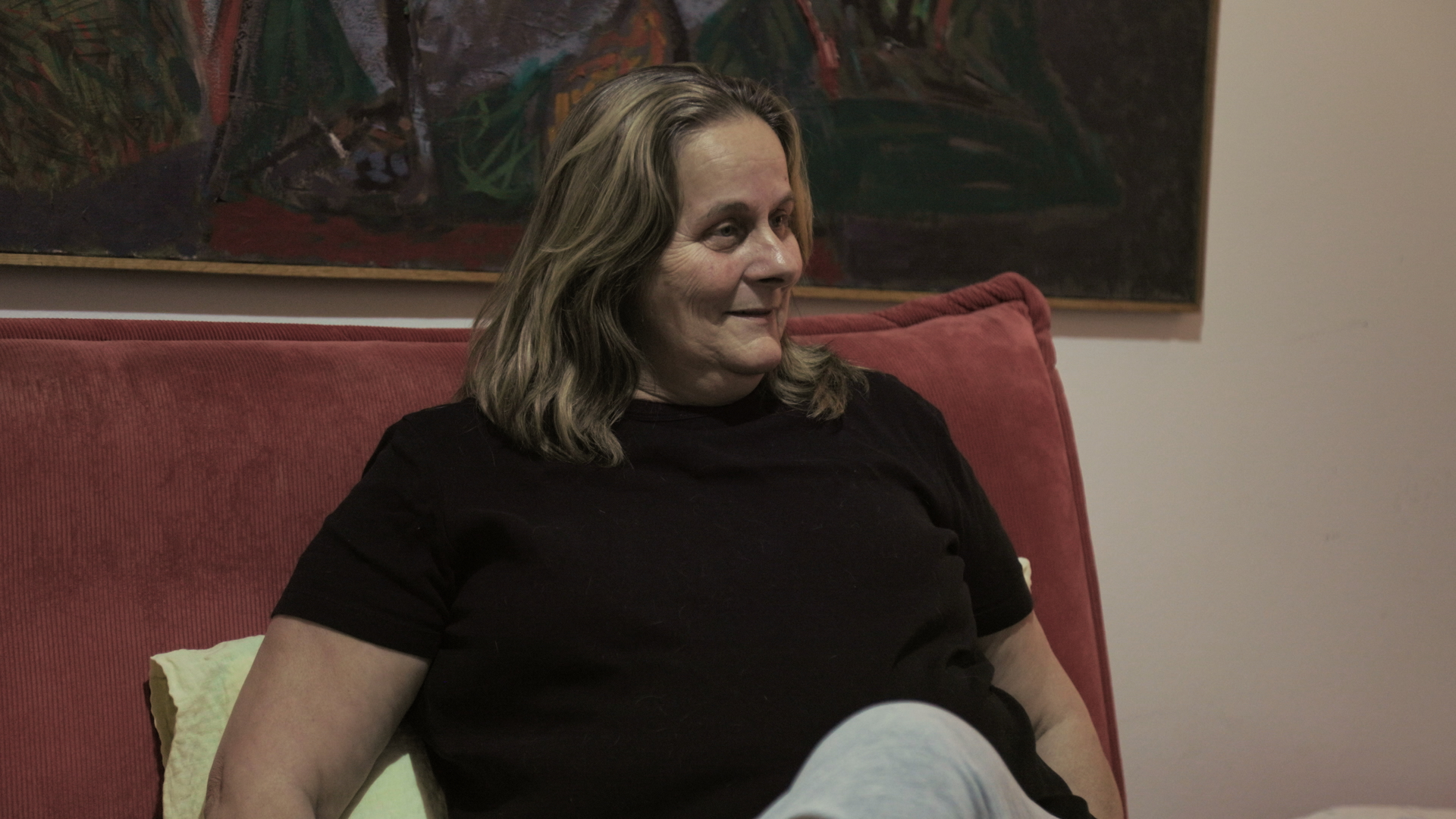
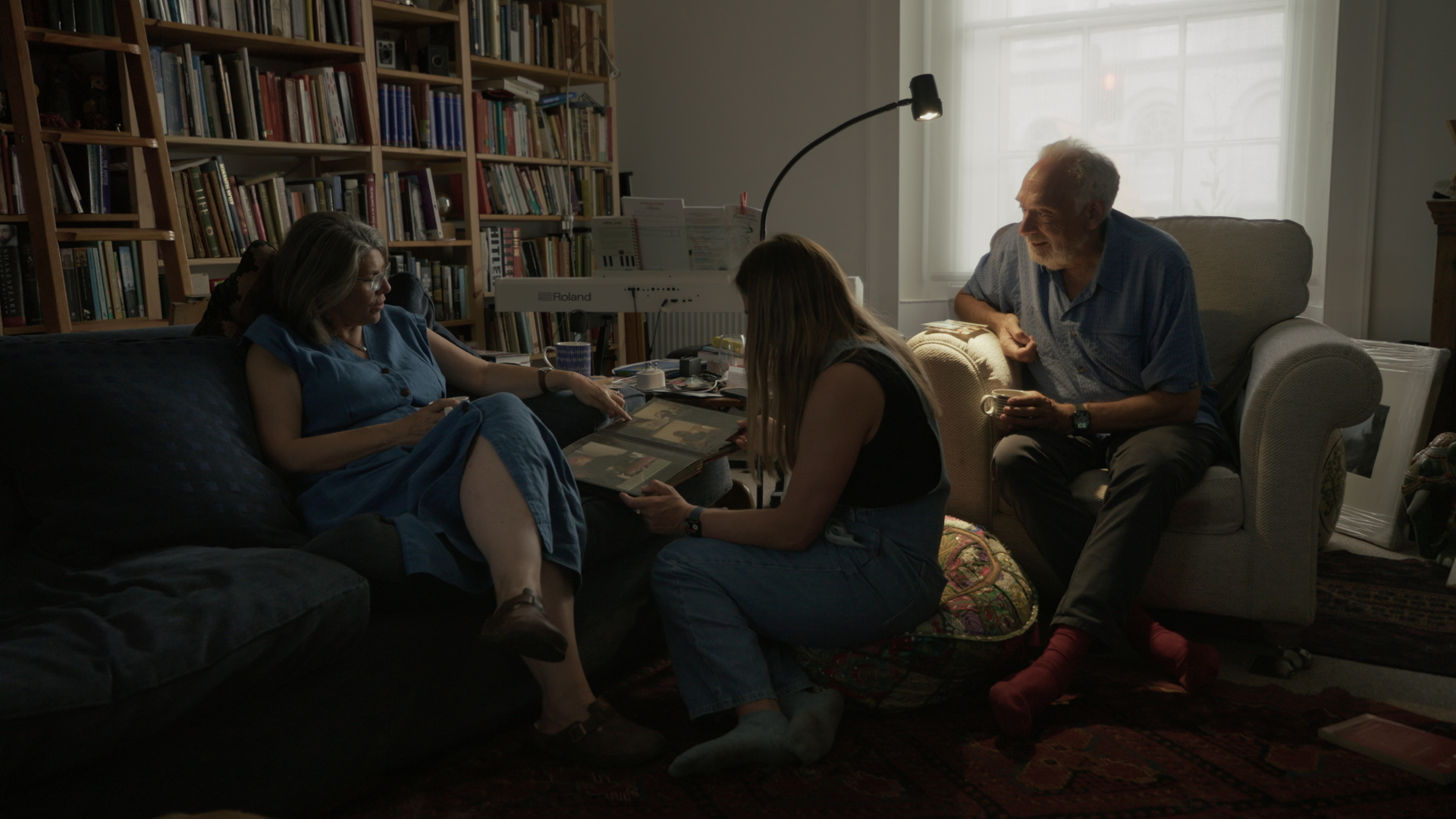
Ajna, Alen and Lejla were born after their mothers were raped in the war. Ajna was kept by her mother, while Alen and Lejla were adopted. They grew up and lived differently and learned the truth about their origins in different ways. They are bound by an inner feeling incomprehensible to everyone else. All three have turned to the effort to make the world a better place and in this they have found common ground with each other. Alen is the father of two children and is considering how to explain his own origins to them. Ajna, who discovered the truth about herself at the age of 15, speaks publicly about stigma through art. Lejla, who grew up in Great Britain, returns to Bosnia and Herzegovina to explore her roots and her relationship with her biological mother. Their stories intertwine through the fight for the legal status of war victims, very personal searches and public appearances, while the film explores identity, trauma and the possibility of community and belonging through archives and an observational approach.
Director Slađana Lučić Screenplay Slađana Lučić Director of Photography Vjeran Hrpka Editing Emina Zubčević & Ana Štulina Sound Design Duško Šarić-Kovačić Producer Tamara Babun Zovko Co-Producer Slađana Lučić
Cast Ajna Jusić, Sabina Bašić, Alen Muhić…
For screener & festival distribution please contact: tibor@wolfgangdolly.com
Keywords: Female Director · Identity · Trauma · Adoption · Motherhood · Stigma · Human Rights · Activism · Post-war Recovery · Community · Human Stories

Genres
Documentary
Production country
Croatia, Bosnia and Herzegovina
Language
Bosnian, English
Colour
Colour
Screening formats
DCP / mp4
festivals & screenings
+ 2026 / Sarajevo Film Festival / Bosnia and Herzegovina / Dealing with the Past / World Premiere
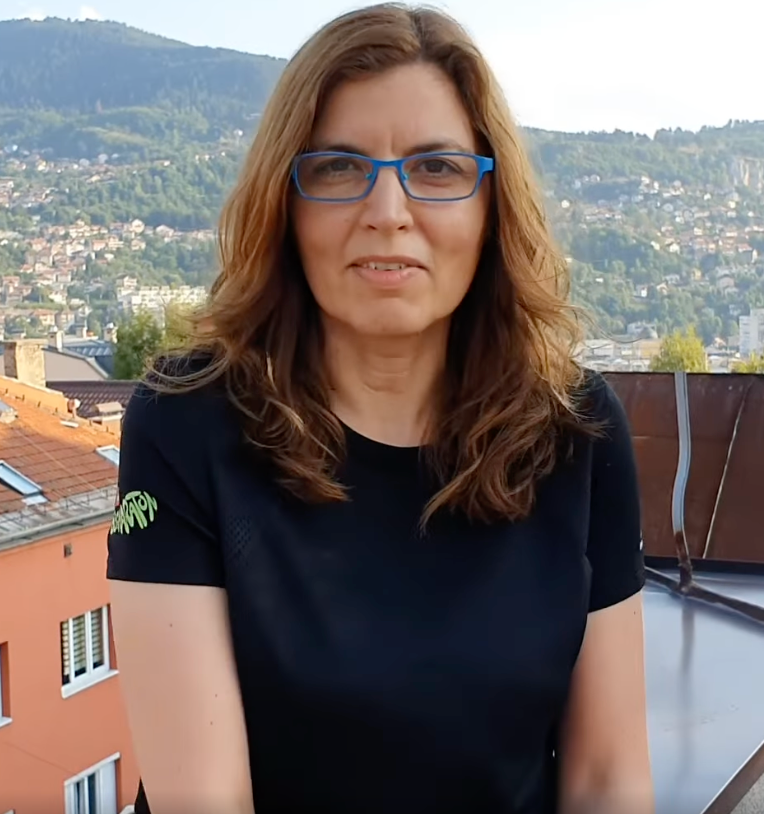
Directors Note
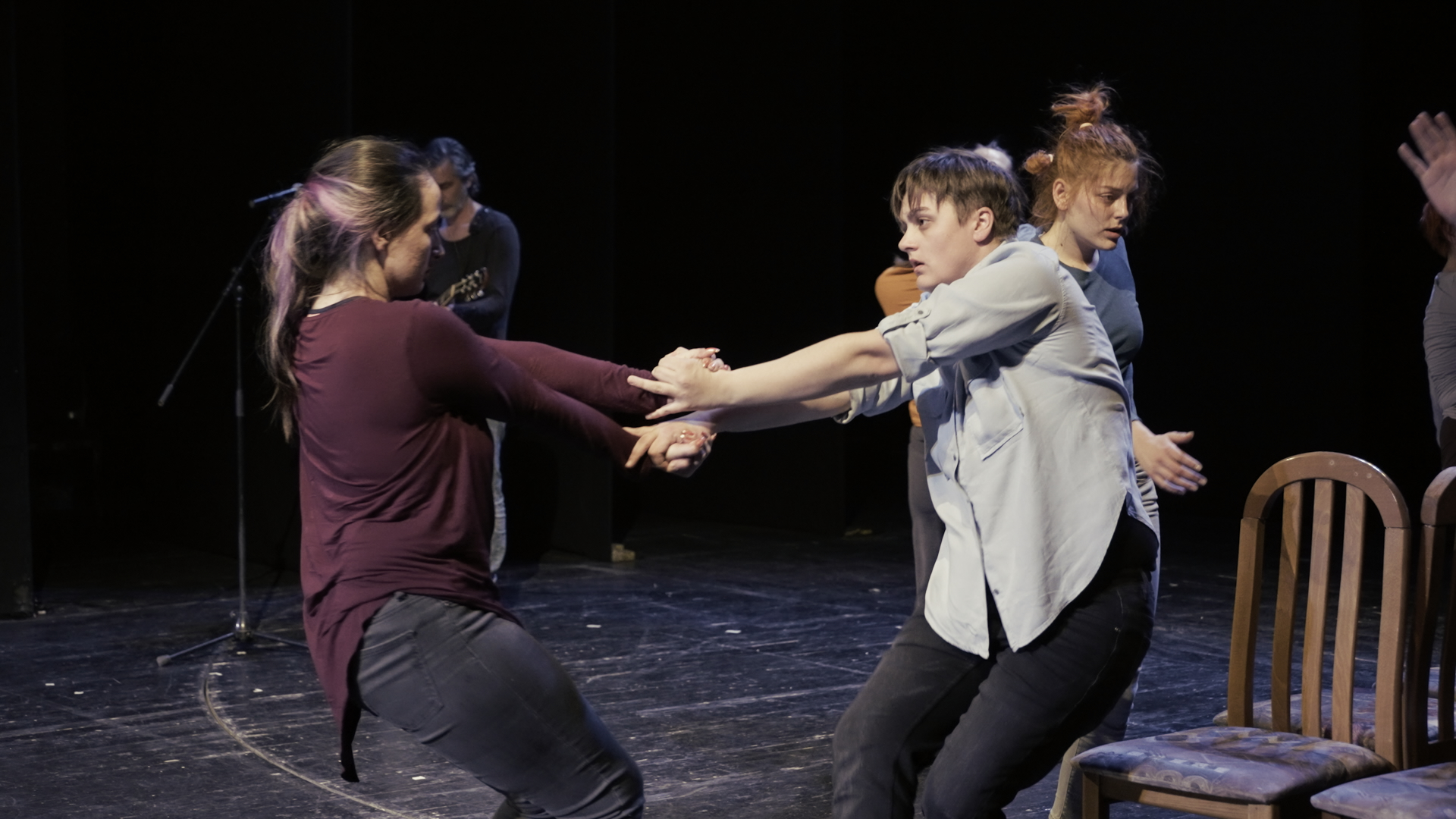
For as long as I have been alive, there has always been at least one armed conflict somewhere in the world. Sexual violence, primarily against women and girls, is still used as a weapon of war, and children are still being born as a result of it. In recent years, I have had the opportunity to meet several brave individuals, now adults, who have broken the silence and spoken about their identities and the stigma they face. They use movement, dance and theatre, photography and writing as safe spaces and as a way of addressing the public and a society that once saw them as the children of the enemy.
The stories of Ajna Jusić, Lejla Damon and Alen Muhić are important for all of us, regardless of where we live. They matter for children who are still being born into the world because of war, and for their mothers, who can see that silence is not the only answer. In all post-conflict societies, they face socio-economic marginalization, are often rejected by their families, and are subjected to stigma and violence.
We must also not forget the link between the lack of respect for women’s rights and the stigma experienced by children born of wartime rape. Both must be understood through the lens of gender discrimination. These children are stigmatized through patriarchal attitudes and by the association of a child’s identity with the perpetrator. They are often seen only through the circumstances of their conception and the question of who their biological father is. Yet, perhaps most importantly for me, this is not just another story about war and the past, but about small revolutions of individuals. There are so many small revolutions in the world that pass quietly and courageously, unnoticed, yet bring about so much good.
Directors Short Bio
Slađana Lučić (DocCooltura) is a documentary filmmaker, former news editor and journalist with nearly 30 years of experience, currently living between Croatia and Bosnia and Herzegovina.
In her documentary work, she explores how individuals—particularly women—seek to create meaningful change in their communities, portraying “small revolutions” through intimate portraits of often overlooked people. Whether it is young women challenging prejudice, women fighting for health and survival within unforgiving systems, or young people—civilian victims of war—using activism to transform society, her films aim to tell untold stories and show how change often requires very little. Sometimes it is a change in law, sometimes the removal of absurd rules, and sometimes simply a shift in how we think about the people and phenomena around us.
Throughout her journalistic career, she has worked on the creation, coordination and development of local, regional and global TV news programs and projects, including at Al Jazeera in Sarajevo and London, RTL Croatia, and Croatian Television.
Funded by
Croatian Audiovisual Center
This film was produced with the support of the project “Women Lead the Way to Peace and Security in Bosnia and Herzegovina,” jointly implemented by UN Women, IOM and UNFPA, in partnership with the Ministry for Human Rights and Refugees of Bosnia and Herzegovina, with the support of the United Nations Secretary-General’s Peacebuilding Fund (PBF). The views expressed in this film are those of the authors and do not necessarily reflect the views of the United Nations or the implementing agencies.


